

Why Your Skin and Hair Suddenly Feel Different After 30
QUICK ANSWERS
Short Answer : Perimenopause changes your skin and hair by affecting moisture retention, surface texture, and natural growth cycles. This is driven by hormonal shifts, specifically the gradual decline of estrogen.
If You’re Noticing This : If your makeup suddenly doesn’t sit right, your skin feels dry but looks oily, or your hair isn’t growing like it used to these are often early signs of perimenopause.
What This Means : These changes are rarely caused by using the wrong products or having a bad routine. They are internal hormonal shifts showing up externally.
What Many Women First Notice
It usually doesn’t start with something dramatic. Most women in their 30s and early 40s notice small, frustrating inconsistencies first.
Nothing seems clearly “wrong,” but something isn’t the same. That subtle shift is usually the first signal that your hormones are transitioning. Instead of blaming your skincare routine, it helps to know what to look for.
Here are the five most common early signs that perimenopause is affecting your skin and hair.
1. Your Makeup Separates or Looks Uneven by Midday

You apply your foundation in the morning, and it looks fine in the bathroom mirror. But when you check your reflection in natural daylight a few hours later, it looks patchy or separated. This happens because your skin’s surface texture and moisture barrier are changing, preventing makeup from gripping and sitting evenly on the skin.
2. Your Skin Feels Dry, But Still Gets Oily
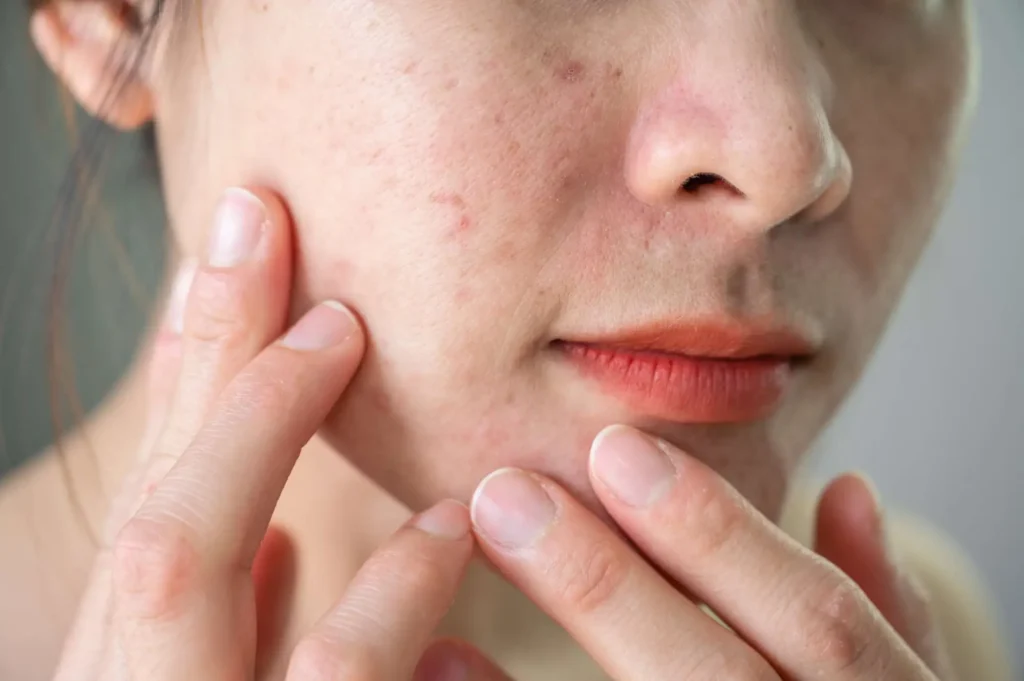
This is one of the most confusing phases for women over 30. Your skin might feel tight, dry, and lacking moisture, yet you still develop a shiny or oily layer throughout the day. Hormonal shifts disrupt both hydration levels and sebum (oil) production, creating an environment where skin is simultaneously dehydrated and oily.
3. Your Go-To Products Suddenly Stop Working
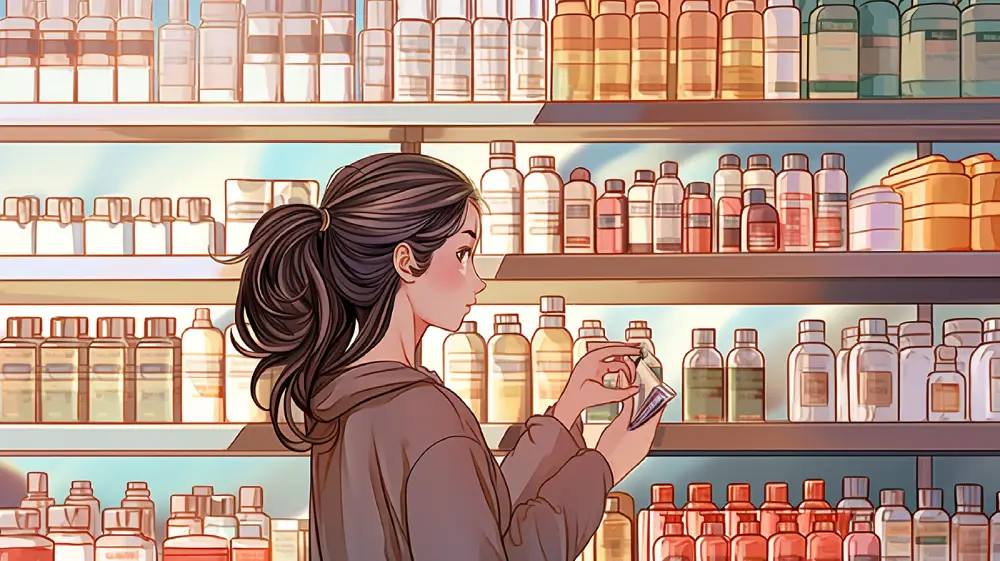
You haven’t changed your routine, but the results have flat lined. The moisturizer that used to give you a glow now leaves you looking dull. It’s not that the products went bad; it’s that your skin is responding differently. Your skin’s baseline needs have changed, making your old routine obsolete.
4. Your Hair Stops Growing Past a Certain Length
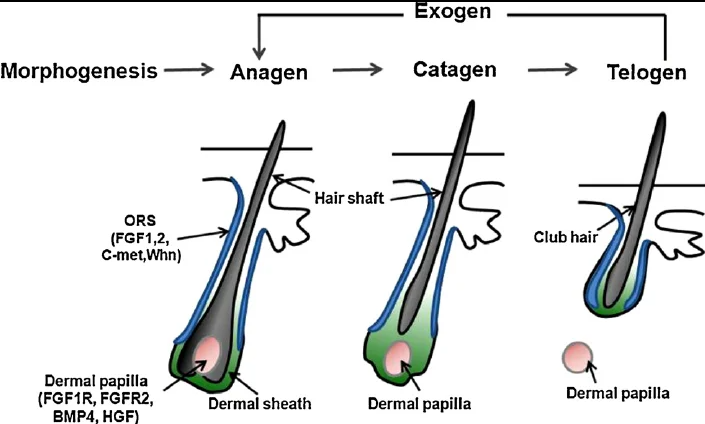
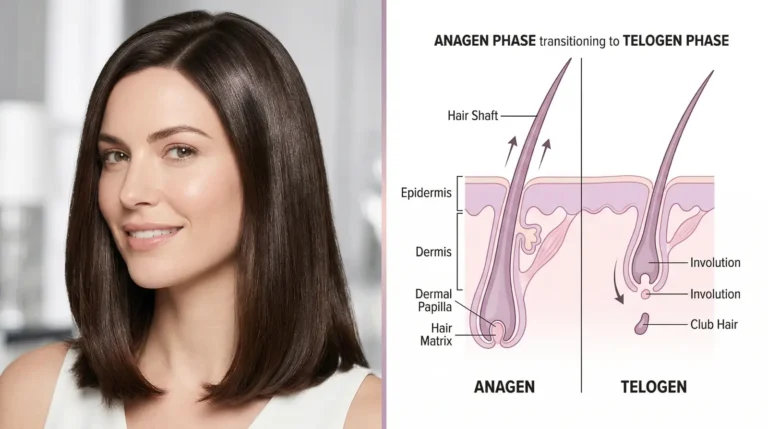
Your hair looks perfectly healthy, but it seems stuck. Maybe it refuses to grow past your shoulders, no matter how few heat tools you use. This isn’t necessarily breakage. During perimenopause, your hair’s natural growth cycle begins to shorten. The hair simply doesn’t stay in the active growth phase as long as it used to.
5. You Notice Thinning Around Your Part Line
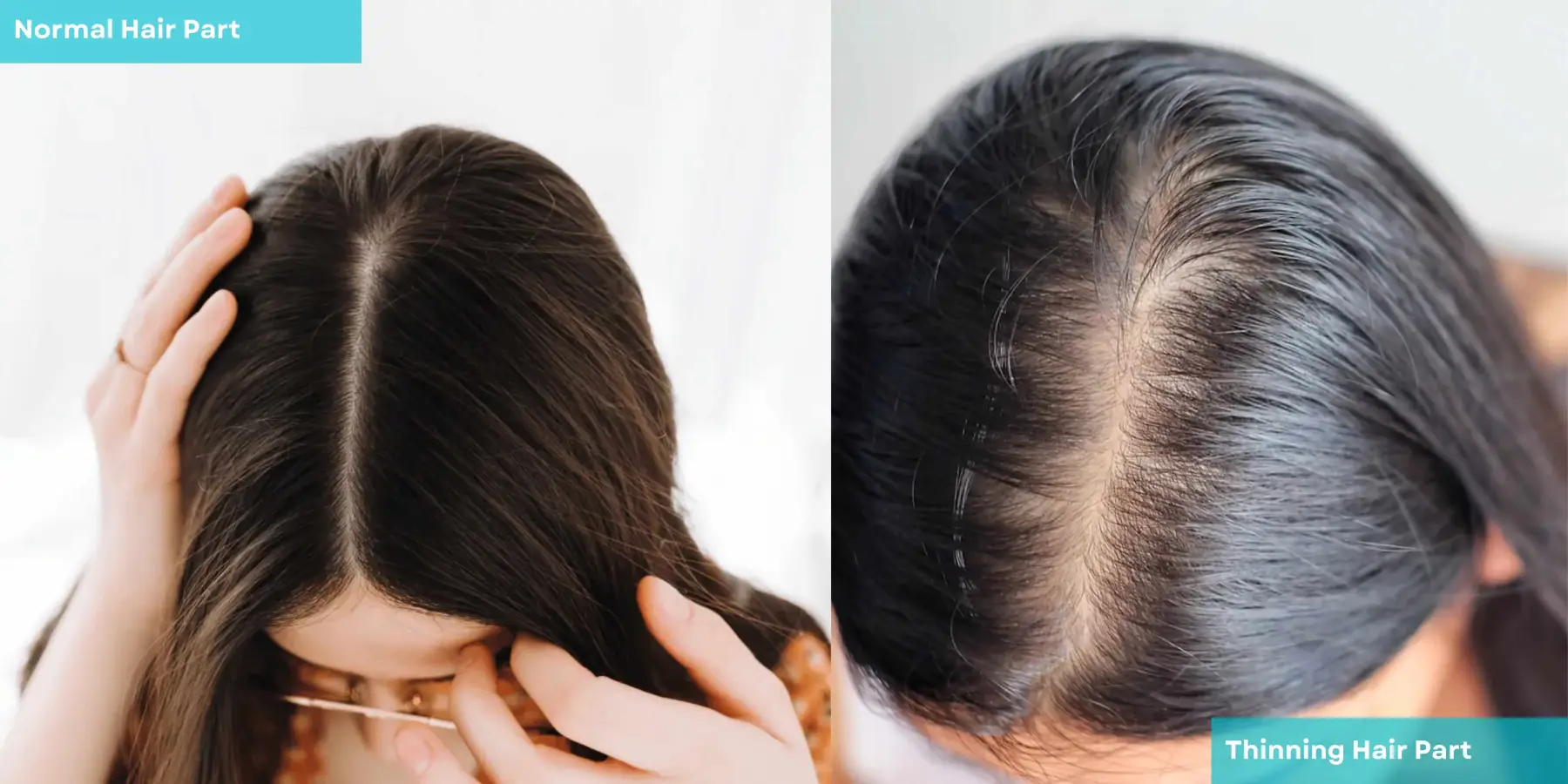
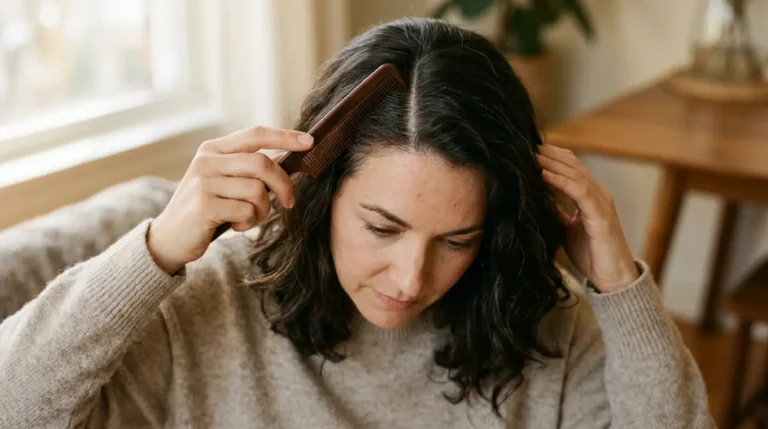
Hair changes often feel confusing because they don’t always look like traditional damage. You might notice more hair shedding in the shower or a slight widening of your part line, along with less overall volume. Again, the structure of the hair is fine—the issue stems from the changing growth cycle at the follicle level.
What’s Changing Under the Surface
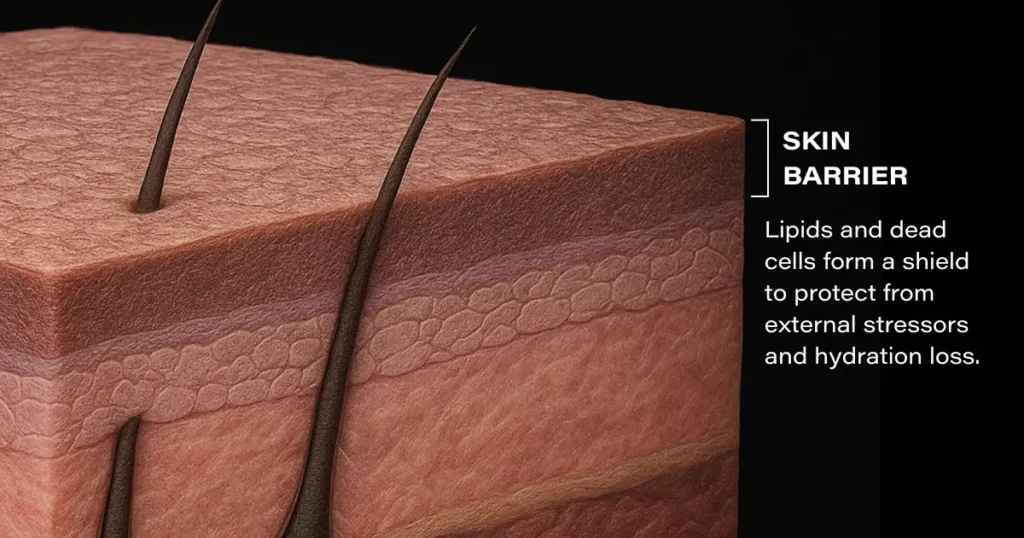
During perimenopause, your hormone levels begin to fluctuate. One of the biggest drivers behind these physical changes is a gradual decline in estrogen.
You don’t see the hormone change directly. You see the result of it. Estrogen directly influences:
- How well your skin holds onto moisture.
- How smooth, thick, or elastic your skin feels.
- How long your hair stays in its active growth phase.
When estrogen drops, your skin barrier stops behaving the way it did in your 20s. It’s not that your skin is “bad”—it’s simply functioning under a new set of rules.
The Frustration Loop Most Women Go Through
Because these changes are subtle, most women don’t immediately connect them to perimenopause. Instead, the thought process usually looks like this:
- “Maybe I bought the wrong product.”
- “Maybe my routine stopped working.”
- “Maybe my skin is just getting worse.”
This kicks off a cycle. You notice something feels off, so you buy new skincare or hair products. The results don’t match your expectations, so you feel more confused, and you buy something else. This loop can repeat for months or even years.
When you step back and look at all these changes together, a clear pattern forms. It’s not random, and it’s not something you did wrong. It’s your body going through a natural transition, and your skin and hair are just the first places it shows.
Frequently Asked Questions (FAQ)
1.What are the earliest signs of perimenopause on skin?
The earliest signs are usually subtle changes in texture, underlying dryness, and a shift in how makeup sits on your face. Many women notice their skin behaving unpredictably before they experience any other traditional perimenopause symptoms.
2.Does perimenopause affect hair growth?
Yes. Hair may grow more slowly or stop reaching the same length as before. This happens because the active growth phase of the hair follicle becomes shorter due to hormonal shifts.
3.Why does my skin feel dry and oily at the same time?
Hormonal fluctuations disrupt both your skin’s oil production and its ability to retain water. This creates a confusing mix of dehydration (dryness) and excess sebum (shine) happening at the exact same time.
4.Why is my makeup suddenly separating?
Changes in your skin’s texture and natural moisture levels can prevent foundation and concealer from laying flat. Even if you use the exact same products, the canvas underneath has changed.
5.Why is my hair thinning but not damaged?
The change is happening in the hair growth cycle, not within the hair shaft itself. Your hair can look incredibly healthy and shiny, but still feel thinner because the follicles are shedding hair faster than before.
6.Can perimenopause start in your 30s?
Yes. For some women, the perimenopause transition can begin in their early to mid-30s, almost always starting with very subtle, easily dismissed symptoms like skin and hair changes.
7.Why do my old skincare products stop working? Y
our skin’s core needs shift during perimenopause. A moisturizer designed for a 25-year-old’s estrogen-rich skin barrier will no longer match the exact hydration requirements of your skin in your late 30s.
8.Is hair loss during perimenopause permanent?
Not always. In many cases, perimenopausal hair thinning is related to temporary hormonal fluctuations rather than permanent follicle damage or male/female pattern baldness.